


-

Add: HeBei ShengShi HongBang Cellulose Technology CO.,LTD.
-

Email
13180486930@163.com -

CONTACT US
+86 13180486930
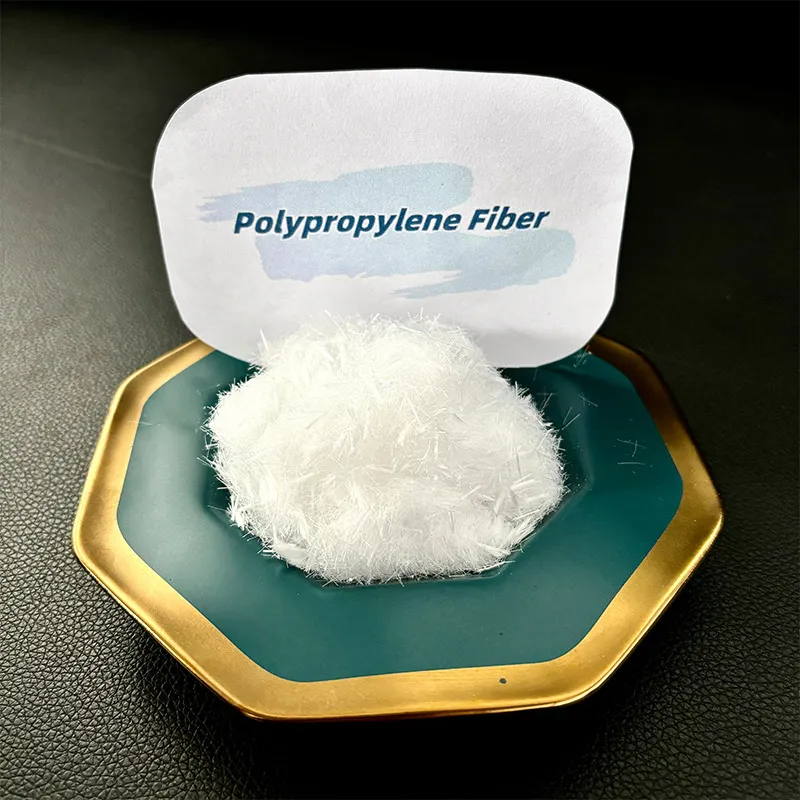
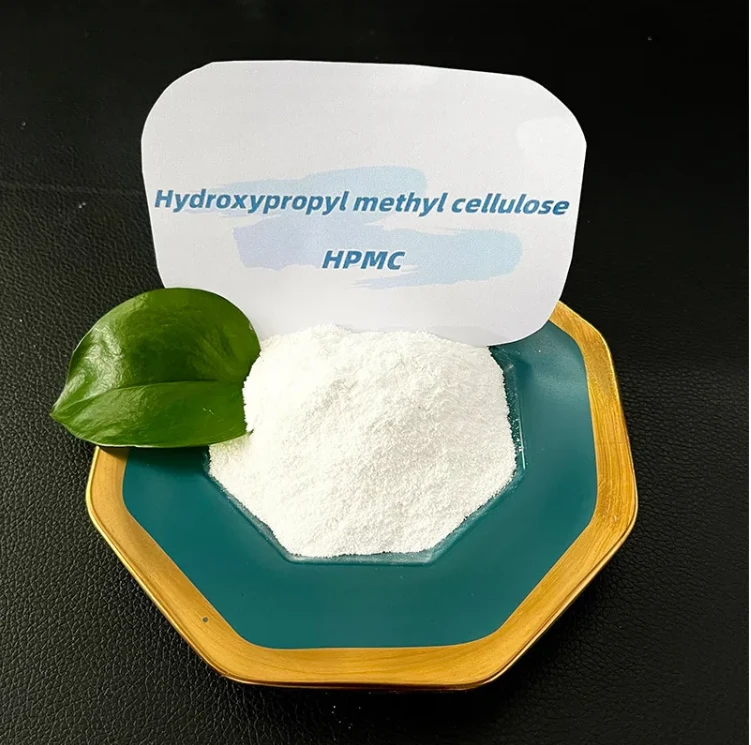
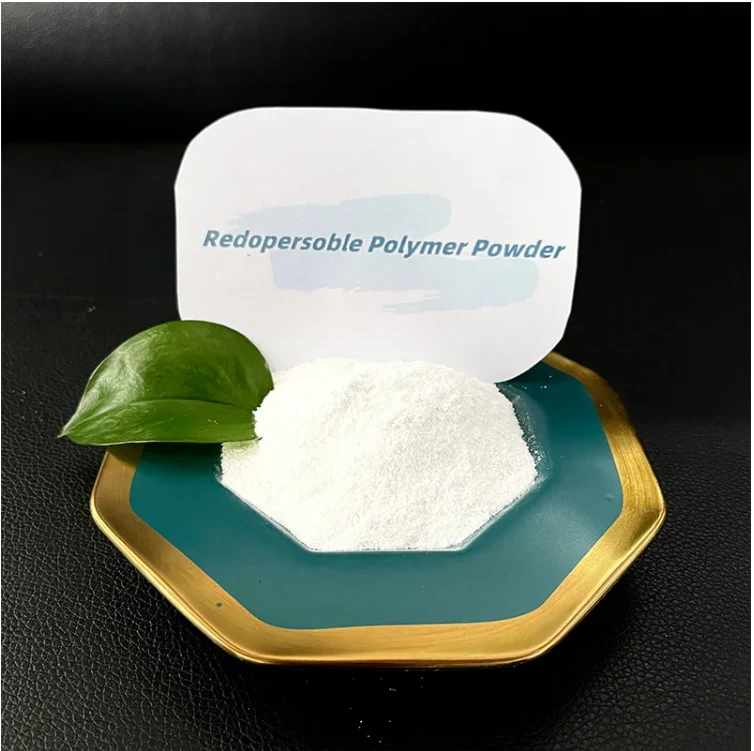
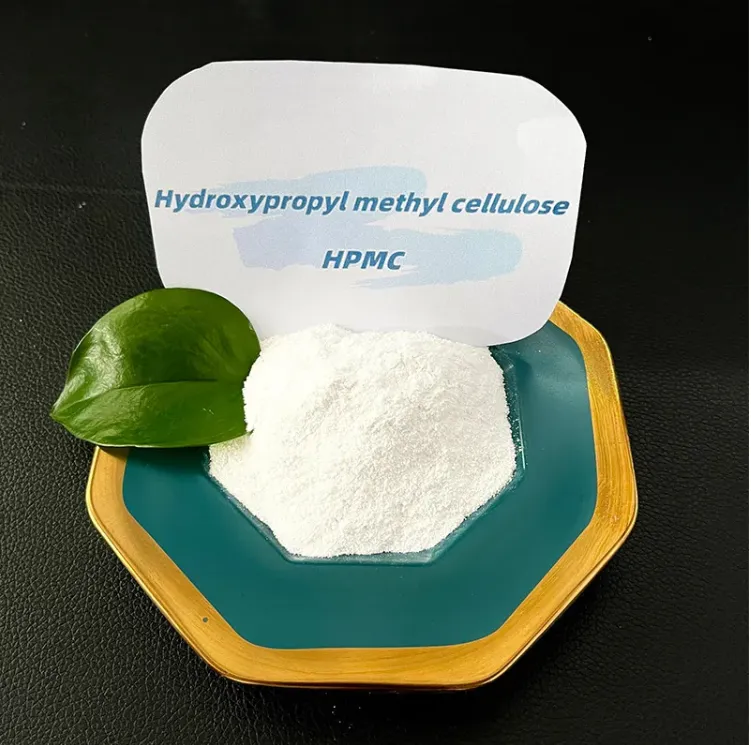


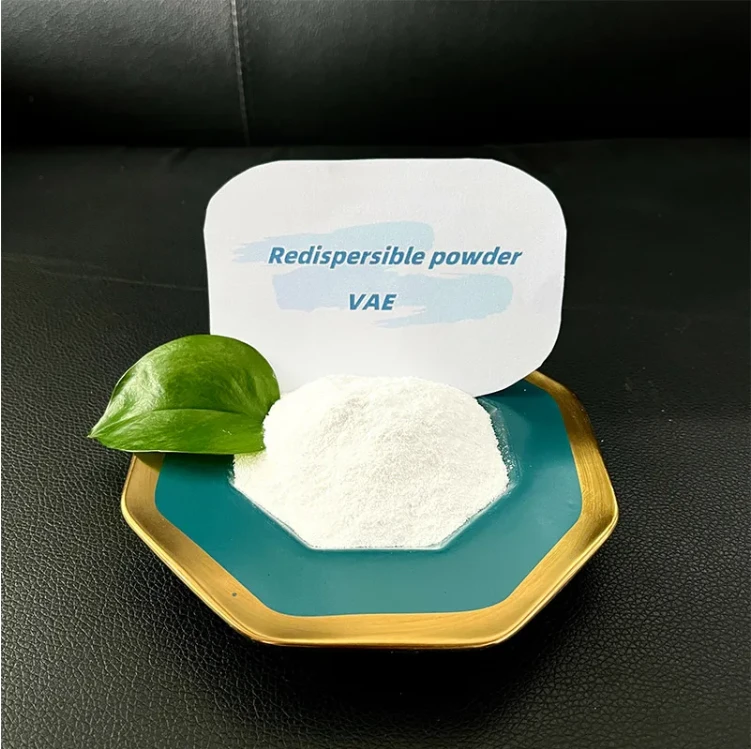
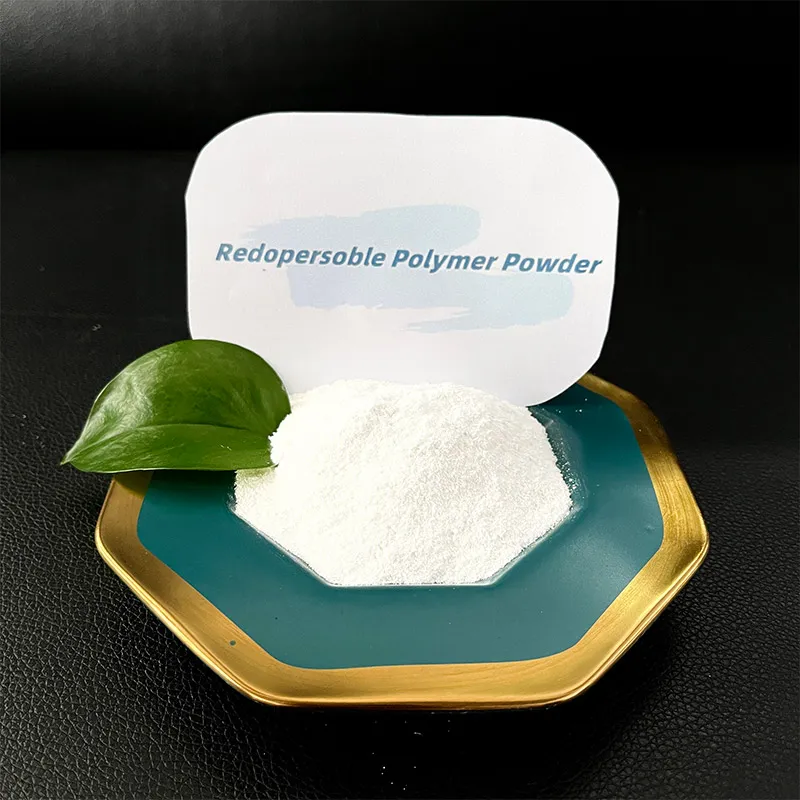
Understanding Redispersible Emulsion Powder: A B2B Perspective In the realm of modern construction and advanced material science, redispersible emulsion powder stands as a cornerstone additive, revolutionizing the performance of dry-mix mortars. This versatile polymer powder, primarily derived from vinyl acetate-ethylene (VAE) copolymers, transforms conventional building materials by enhancing their key properties. Its unique ability to re-emulsify upon contact with water allows it to function as a binding agent within cementitious and gypsum-based formulations, significantly improving adhesion, flexibility, water resistance, and overall durability. For B2B decision-makers and technical engineers, comprehending the intricacies of this material is crucial for optimizing product formulations, ensuring project longevity, and meeting stringent industry standards across diverse applications. Detailed Manufacturing Process of Redispersible Emulsion Powder The production of redispersible emulsion powder is a sophisticated chemical engineering process designed to encapsulate liquid polymer emulsions into a stable, free-flowing powder. This process ensures that the polymer retains its performance characteristics when re-dispersed in water at the point of application. The core materials typically include a liquid polymer emulsion (e.g., VAE emulsion), protective colloids (like polyvinyl alcohol), and anti-caking agents. Process Flow Schematic: 1. Emulsion Polymerization: This initial stage involves the polymerization of monomers (e.g., vinyl acetate and ethylene) in an aqueous medium to form a stable polymer emulsion. Specific catalysts, emulsifiers, and stabilizers are used to control the reaction and ensure desired polymer properties, such as glass transition temperature (Tg) and particle size. 2. Addition of Protective Colloids and Additives: The liquid polymer emulsion is then mixed with protective colloids (e.g., polyvinyl alcohol, cellulose ethers) and other functional additives. These colloids prevent irreversible agglomeration during the subsequent drying process and enable the powder's redispersibility. 3. Spray Drying: This is the most critical step. The prepared emulsion mixture is atomized into a fine mist within a hot air chamber. Rapid evaporation of water leaves behind solid polymer particles encapsulated by the protective colloid, forming a fine, spherical powder. The spray drying parameters (temperature, flow rate, nozzle type) are meticulously controlled to ensure optimal particle morphology and redispersibility. 4. Post-Treatment and Anti-Caking: After spray drying, the powder may undergo further processing, such as cooling. Anti-caking agents (e.g., mineral fillers like calcium carbonate or silicates) are then added to prevent the powder from clumping together during storage and transportation, ensuring its free-flowing nature. 5. Packaging: The final redispersible powder is typically packed in multi-ply paper bags with internal polyethylene liners to protect it from moisture and ensure a long shelf life. Testing Standards: Throughout this process, stringent quality control measures are applied, adhering to international standards such as ISO 9001 for quality management systems. Specific product performance is often evaluated against standards like EN 1504 (for concrete repair products), ASTM C1101 (for dry-mix base coat), and various national standards for bond strength, water retention, flexibility, and impact resistance. These tests ensure the product meets the demanding requirements of various target industries. Target Industries and Service Life: Redispersible latex powder finds extensive use in the construction industry, including infrastructure projects (bridges, tunnels), residential and commercial buildings, and specialized applications like external insulation and finish systems (EIFS), tile adhesives, self-leveling compounds, and repair mortars. The use of high-quality polymer powder significantly extends the service life of these applications by imparting superior adhesion, crack resistance, and durability, often contributing to design lives exceeding 25-50 years for structural elements when properly formulated. Advantages in Typical Application Scenarios: In an EIFS application, for instance, a VAE redispersible emulsion powder enhances the bond between insulation boards and the substrate, improves the flexibility of the base coat to resist thermal stress, and contributes to the system's overall water repellency, leading to energy saving benefits and superior corrosion resistance for the building envelope. Figure 1: Schematic of the Redispersible Emulsion Powder Manufacturing Process. Industry Trends and Market Dynamics for Redispersible Emulsion Powder The global market for redispersible emulsion powder is experiencing robust growth, driven by several key macro and micro-economic factors. Increasing urbanization, particularly in emerging economies, fuels demand for new construction and infrastructure development. Concurrently, a heightened focus on sustainable and green building practices is compelling manufacturers to develop environmentally friendly and high-performance building materials. This trend favors products that improve durability and extend the lifespan of structures, thereby reducing the environmental impact associated with frequent repairs and replacements. Technological advancements are leading to the development of specialized vae redispersible powder with enhanced functionalities, such as improved hydrophobic properties, higher flexibility at low temperatures, and superior open time for tile adhesives. The push for pre-mixed, factory-controlled dry mortars is also a significant trend, as these products offer consistent quality, reduced on-site labor, and minimized material waste. Geographically, Asia-Pacific remains the largest and fastest-growing market due to massive construction activities, while stringent building codes in Europe and North America continue to drive demand for high-performance additives. Figure 2: Global Growth Trends in Construction Additives. Technical Specifications: Redispersible Powder VAE Our Redispersible Powder VAE is engineered to meet rigorous performance requirements across a spectrum of construction applications. Understanding the technical parameters is essential for precise formulation and optimal end-product performance. Below are typical specifications for a high-quality VAE redispersible emulsion powder : Typical Specifications for Redispersible Powder VAE Parameter Unit Typical Value Test Method / Standard Appearance - White, free-flowing powder Visual Inspection Solid Content % ≥ 98.0 ISO 3251 Ash Content % 8.0 - 12.0 DIN 53185 Bulk Density g/L 450 - 650 DIN EN 12351 Particle Size (<250 μm) % ≥ 98.0 EN 12190 Glass Transition Temperature (Tg) °C 0 to +15 (adjustable) DSC (ASTM D3418) Minimum Film Forming Temperature (MFFT) °C 0 ISO 2115 pH Value (10% solution) - 7.0 - 9.0 Electrode Method Viscosity (10% solution) mPa·s 50 - 200 Brookfield Viscometer These parameters directly influence the performance characteristics such as adhesion strength, flexibility, water resistance, and workability of the final dry-mix mortar. For example, a lower Glass Transition Temperature (Tg) generally indicates higher flexibility, making the polymer powder suitable for applications requiring deformation resistance, such as tile adhesives on challenging substrates. Application Scenarios and Technical Advantages The versatility of redispersible emulsion powder allows its integration into a wide array of construction applications, each benefiting from its unique polymer-modified properties. This section highlights typical usage scenarios and the specific technical advantages imparted. Tile Adhesives (C1/C2 Grades): Incorporating redispersible latex powder significantly boosts the bond strength to various substrates (concrete, plasterboard, existing tiles), improves flexibility to accommodate thermal and structural movements, and enhances water resistance, making it ideal for wet areas and external applications. This leads to reduced tile cracking and delamination, extending the service life of tiled surfaces. External Thermal Insulation Composite Systems (ETICS/EIFS): As a critical component in base coats and renders, vae redispersible powder provides excellent adhesion to insulation boards (EPS, mineral wool), improves impact resistance, and imparts crucial flexibility to prevent cracking due to temperature fluctuations. Its hydrophobic characteristics also reduce water absorption, thereby enhancing the system's thermal performance and longevity. Self-Leveling Compounds (SLCs): In SLCs, polymer powder contributes to superior flow properties, allowing for a perfectly smooth and level surface without extensive manual labor. It also increases abrasion resistance, reduces shrinkage, and improves the bond to the subfloor, creating a durable base for various floor coverings. Wall Putties and Skim Coats: Enhances adhesion to diverse substrates, improves workability for smoother application, and increases the hardness and crack resistance of the final surface, preparing it ideally for painting or decorative finishes. Repair Mortars: Crucial for restoring structural integrity, redispersible emulsion powder improves the bond between old and new concrete, enhances compressive and flexural strength, and significantly increases resistance to carbonation and chloride ingress, extending the repair's effectiveness and preventing further degradation. The technical advantages of integrating this specialized redispersible powder include superior adhesion, improved flexural strength, enhanced water repellency, better freeze-thaw stability, increased abrasion resistance, and improved workability and open time for applicators. These benefits translate directly into higher quality construction, reduced maintenance costs, and prolonged structural integrity. Figure 3: Redispersible Emulsion Powder improving adhesion in construction. Vendor Comparison and Customized Solutions Selecting the right supplier for redispersible emulsion powder is paramount for maintaining consistent product quality and ensuring project success. While many vendors offer similar products, differentiation lies in product consistency, technical support, R&D capabilities, and the ability to provide customized solutions. When evaluating potential partners, B2B clients should consider more than just price per kilogram. Comparison of Key Vendor Attributes for Redispersible Emulsion Powder Attribute Standard Vendor Premium/Specialized Vendor Product Consistency Acceptable, with minor batch variations. Highly consistent, stringent QC, tight specification ranges. Technical Support Basic datasheets, limited formulation guidance. Dedicated technical team, on-site support, in-depth formulation advice. Customization Options Limited to standard grades. Extensive R&D, tailored solutions for specific application needs. Certifications ISO 9001 (basic). ISO 9001, ISO 14001, relevant product-specific certifications (e.g., CE, REACH compliance). Lead Time & Logistics Standard lead times, basic shipping. Optimized supply chain, flexible delivery, global distribution network. Customized Solutions: Tailoring Redispersible Powder for Specific Needs The ability to provide customized polymer powder formulations is a hallmark of a leading manufacturer. Customization can involve fine-tuning parameters such as: Glass Transition Temperature (Tg): Adjusting Tg to impart specific flexibility or hardness characteristics for different climatic conditions or substrate types. Particle Size Distribution: Optimizing for specific application needs, such as improved rheology for self-leveling compounds or better open time for tile adhesives. Hydrophobicity: Enhancing water repellency for waterproofing membranes or external renders. Additive Integration: Incorporating specialized additives during the manufacturing process to confer properties like improved freeze-thaw resistance or enhanced adhesion to challenging, non-absorbent substrates. Our company, with extensive years of service and an ISO 9001 certified manufacturing facility, prides itself on working closely with clients to develop tailored redispersible emulsion powder solutions that perfectly match their unique product requirements and market demands. Our authoritative testing methods and robust R&D ensure that custom formulations meet the highest performance and reliability standards. Figure 4: Customization in polymer powder manufacturing. Application Case Studies: Real-World Performance The efficacy of redispersible emulsion powder is best demonstrated through its successful implementation in demanding construction projects. These case studies highlight the tangible benefits and superior performance delivered. Case Study 1: High-Performance Tile Adhesive for a Luxury Hotel A leading hospitality group required a robust tile adhesive for the extensive tiling of a new luxury hotel, including high-traffic lobbies, bathrooms, and a spa area. The project demanded exceptional bond strength, flexibility to accommodate structural shifts, and high water resistance. Our customized VAE redispersible emulsion powder was integrated into a C2TES1 grade tile adhesive formulation. Post-application, tests confirmed a bond strength exceeding 1.5 N/mm² (far exceeding the C2 requirement of 1.0 N/mm²) and excellent deformability (S1 classification), ensuring zero tile detachment or cracking after over three years of intensive use. Customer feedback praised the product's consistent workability and the long-term integrity of the tiled surfaces. Case Study 2: ETICS for a Large-Scale Residential Complex in a Harsh Climate In a large residential complex situated in a region experiencing extreme temperature fluctuations (from -20°C to +40°C), an ETICS solution was critical for energy efficiency and façade protection. Our specialized hydrophobic redispersible powder was used in both the adhesive and base coat layers of the ETICS. After five years, the façade demonstrated exceptional resistance to freeze-thaw cycles, no visible cracks or delamination, and significantly reduced thermal bridging, leading to verified energy savings of approximately 25% for residents. This project underscores the durability and energy-saving potential of high-quality polymer-modified systems. Case Study 3: Concrete Repair Mortar for Industrial Flooring An automotive manufacturing plant required urgent repair of its heavily trafficked concrete flooring, which was subject to chemical spills and heavy machinery loads. A rapid-setting, high-strength repair mortar, formulated with our specific grade of redispersible emulsion powder , was chosen. The mortar achieved early strength development, allowing the factory to resume operations quickly. After two years, the repaired areas show no signs of degradation, cracking, or loss of adhesion, even under continuous industrial stress. This demonstrates the superior mechanical properties and long-term resilience imparted by our advanced polymer additives. Figure 5: Enhanced concrete durability with Redispersible Emulsion Powder. Trust & Support: FAQ, Lead Time, Warranty & Customer Service Frequently Asked Questions (FAQ) Q: What is the primary function of redispersible emulsion powder in dry-mix mortars? A: Its primary function is to enhance adhesion, flexibility, water resistance, cohesion, and workability of dry-mix mortars upon re-dispersion in water, acting as an organic binder. Q: How should redispersible powder be stored? A: It should be stored in its original, unopened packaging in a cool, dry place, protected from direct sunlight and moisture. Ideal temperature is below 30°C. Shelf life is typically 12 months under these conditions. Q: Can your VAE redispersible powder be customized for specific applications? A: Yes, absolutely. We offer extensive R&D capabilities to tailor parameters such as Tg, particle size, and hydrophobicity to meet unique formulation requirements and performance objectives. Q: Is your product environmentally friendly? A: Our VAE redispersible emulsion powder contributes to sustainable construction by enhancing durability and longevity of materials, reducing the need for frequent repairs and waste. We adhere to stringent environmental standards in our manufacturing processes. Lead Time & Fulfillment We maintain robust production capacities and an efficient supply chain to ensure timely delivery. Standard lead times for our redispersible powder products typically range from 7 to 14 business days, depending on order volume and destination. For large-scale projects or custom orders, lead times will be communicated clearly upon order confirmation. We work with reliable logistics partners to provide global distribution. Warranty Commitments Our redispersible emulsion powder products are manufactured under strict quality control, holding ISO 9001 certification. We warrant that our products meet the published technical specifications and are free from defects in material and workmanship when stored and used according to our recommendations. Any claims regarding product quality must be reported within a specified period from the date of delivery, and we commit to prompt investigation and resolution. Customer Support Our dedicated customer support team and technical experts are available to assist with product selection, formulation guidance, application advice, and troubleshooting. We offer comprehensive pre-sales consultation, during-sales support, and robust after-sales service, including technical data sheets, safety data sheets, and performance testing data. We are committed to fostering long-term partnerships through unparalleled support. References Ohama, Y. (1995). Polymer-Modified Mortars and Concretes. In Cement and Concrete Composites , 17(1), 3-15. Schroeder, F., & Hessel, K. (2014). Redispersible Polymer Powders: An Essential Component for Modern Dry Mix Mortars. In Construction and Building Materials , 69, 34-42. European Standard EN 12004: Adhesives for tiles - Requirements, evaluation of conformity, classification and designation. American Society for Testing and Materials (ASTM) Standards.
- 40000tons

Production
- 20+years

Experience
- 5000+㎡

Acreage

-
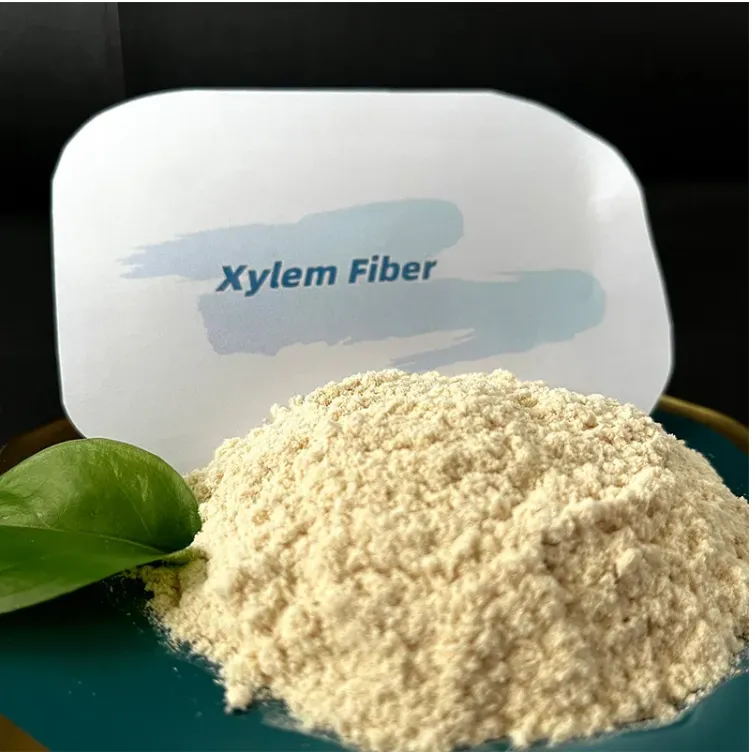
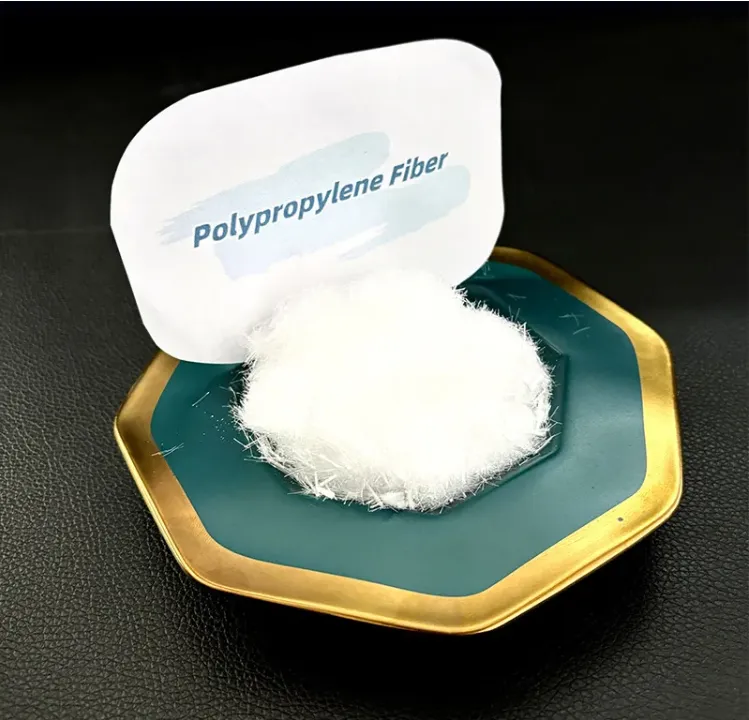
El Hormigón Armado con Polifibras Innovación y Ventajas en la Construcción Moderna El hormigón armado ha revolucionado el sector de la construcción desde su introducción, proporcionando estructuras más resistentes y duraderas. Sin embargo, con el tiempo, la búsqueda de materiales que potencien aún más las características del hormigón ha llevado al desarrollo del hormigón armado con polifibras. Este innovador enfoque combina las propiedades del hormigón con la añadidura de fibras, lo que se traduce en múltiples ventajas para diferentes aplicaciones en la construcción. Las polifibras, que pueden ser de diferentes materiales como polipropileno, acero o vidrio, son elementos que se incorporan al hormigón en forma de filamentos finos. Su inclusión en la mezcla no sólo mejora el comportamiento mecánico del material, sino que además aporta beneficios significativos en términos de durabilidad y resistencia a la fatiga. Esto es especialmente relevante en estructuras sometidas a condiciones extremas, tales como las que se encuentran en regiones sísmicamente activas o en ambientes industriales agresivos. El Hormigón Armado con Polifibras Innovación y Ventajas en la Construcción Moderna Además de su resistencia a las fisuras, el hormigón con polifibras presenta una mejora notable en su durabilidad. Las fibras actúan como un refuerzo adicional, permitiendo que el hormigón se adapte mejor a los cambios ambientales. Por ejemplo, en entornos donde el hormigón puede estar expuesto a ciclos de congelación y descongelación, la adición de polifibras puede prevenir el daño estructural que comúnmente resulta de estos ciclos. Esto se traduce en una vida útil más larga para las estructuras construidas con este material, lo que es un factor decisivo en proyectos de gran envergadura y costo elevado. béton armé de polyfibres El uso de hormigón armado con polifibras también se asocia con una mayor eficiencia en el proceso constructivo. Al reducir la necesidad de control constante de fisuras y garantizar una mejor cohesión del material, los tiempos de construcción pueden disminuir. Esto no solo favorece la planificación de proyectos, sino que también reduce los costos operativos, permitiendo un uso más eficiente de los recursos. Otro aspecto a considerar es el impacto ambiental del uso de hormigón armado con polifibras. A medida que las industrias buscan opciones más sostenibles, la utilización de fibras recicladas en la producción del hormigón ofrece una alternativa ecológica. Este tipo de hormigón no solo optimiza el rendimiento de las estructuras, sino que también contribuye a la reducción de residuos, alineándose con los objetivos de desarrollo sostenible. En la práctica, el hormigón armado con polifibras se ha utilizado en una variedad de aplicaciones, desde pavimentos y elementos prefabricados hasta estructuras más complejas como puentes y edificios de gran altura. Su versatilidad y superioridad técnica en comparación con el hormigón tradicional lo han posicionado como una opción preferente en proyectos innovadores. En conclusión, el hormigón armado con polifibras representa un avance significativo en la construcción moderna. Al combinar robustez, durabilidad y eficiencia, este material no solo responde a las exigencias contemporáneas del sector, sino que también plantea un futuro más sostenible para la infraestructura. La adopción de estas tecnologías en diferentes obras es, sin duda, una inversión en la calidad y longevidad de las construcciones, un factor esencial en la planificación urbana y el desarrollo de comunidades más resistentes y eficientes.
-
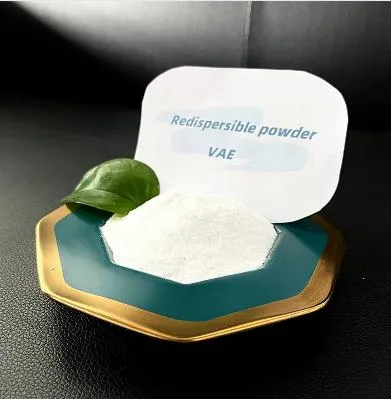
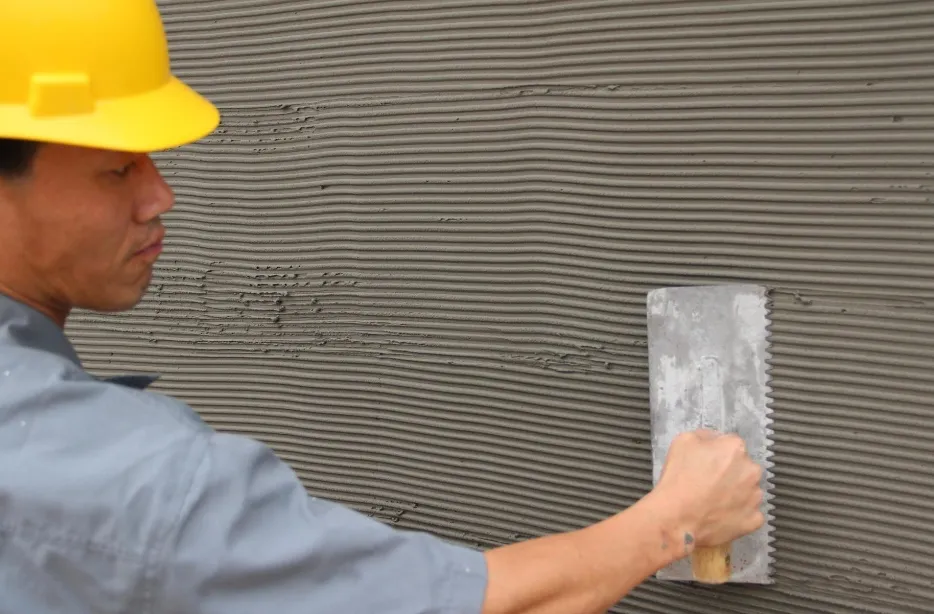
In the construction world, performance and durability are top priorities. Hydroxypropyl methylcellulose (HPMC) has emerged as an innovative solution that greatly enhances the quality of building materials. Its versatility and outstanding properties make it a vital ingredient for construction professionals worldwide. This article delves into the key physical and chemical properties of HPMC, its role as a building materials additive, and its specific applications in cement-based materials. The Physical and Chemical Marvels of Hydroxypropyl Methylcellulose The performance of hydroxypropyl methylcellulose is largely attributed to its unique physical and chemical properties. HPMC is a non-ionic, water-soluble polymer derived from cellulose. Its molecular structure allows it to function as a thickener, stabilizer, and film-forming agent. One of its standout features is its ability to retain water, which is crucial for achieving the desired consistency and longevity in building materials. This product also boasts exceptional thermal stability and pH tolerance, allowing it to perform effectively across various construction scenarios. It remains stable even in high-temperature applications, making it ideal for cement-based systems. These attributes highlight why many industry leaders turn to a trusted hydroxypropylmethylcellulose supplier for high-quality solutions that meet stringent construction standards. Transforming Building Materials with Hydroxypropyl Methylcellulose Additives When added to building materials, hydroxypropyl methylcellulose plays a transformative role in enhancing workability, durability, and performance. It improves the adhesion and cohesion of cement, ensuring mixtures retain their integrity during application and after curing. In wall putties, for example, hydroxypropyl methylcellulose in wall putty ensures the perfect balance of viscosity and spreadability. It helps eliminate sagging and cracking, guaranteeing smooth and stable finishes that can withstand the test of time. As an additive, HPMC ensures uniform distribution of water in cement-based products, enabling consistent setting and hardening across applications. Builders who rely on this product understand its ability to facilitate easier handling and application of materials, ultimately leading to a superior finished product. If you’re looking to elevate the quality of your construction output, it’s essential to buy hydroxypropyl methylcellulose from a trusted source. Hydroxypropyl Methylcellulose in Cement Applications The specific role of hydroxypropyl methylcellulose in cement formulations is a testament to its versatility. In cement-based systems, HPMC acts as both a water-retention agent and a viscosity modifier. This ensures that the cement slurry maintains the right consistency during application, preventing undesirable effects like bleeding and segregation. Moreover, HPMC extends the open time of mortars and renders, giving workers sufficient time to adjust materials to their optimal positioning. Its water-retention property ensures uniform hydration of cement particles, which not only improves the strength but also enhances the final appearance of structures. In applications such as tile adhesives, HPMC ensures superior adhesion and stability, preventing tiles from detaching over time. Many construction professionals rely on HPMC to achieve optimal results in cementitious products and prefer working with a reputable hydroxypropylmethylcellulose supplier for consistent quality. Hydroxypropyl Methylcellulose : Unmatched Versatility Across Construction Applications The applications of hydroxypropyl methylcellulose extend far beyond wall putties and cement. Its unique properties make it an integral component in a wide array of construction products. From rendering and joint compounds to adhesives and plaster, HPMC enhances product performance and application efficiency. For manufacturers, choosing to buy hydroxypropyl methylcellulose opens doors to versatile solutions tailored for modern construction needs. This additive not only improves the mechanical properties of building materials but also ensures they stand up to environmental challenges such as temperature fluctuations and moisture exposure. Experience Excellence with Hydroxypropyl Methylcellulose Hydroxypropyl methylcellulose has become the go-to additive for achieving excellence in construction materials. Its unmatched physical and chemical properties, combined with its ability to enhance workability and durability, make it indispensable for any project. Choosing the right hydroxypropylmethylcellulose supplier ensures access to high-performance materials that meet and exceed industry standards. Whether you’re looking to improve the properties of cement, wall putties, or other construction materials, HPMC is your key to creating resilient, efficient, and long-lasting structures. Embrace the possibilities of hydroxypropyl methylcellulose today and see the difference it makes in your projects!
advantages
-

200000 Viscosities
Excellent product
We can produce pure products up to 200,000 viscosities
-

40000 tons
High yield
We don’t stop production all year round, and the annual output can reach 40,000 tons
-

24 hours
Quality service
We provide 24-hours online reception service, welcome to consult at any time
———— Inquiry Form
Schedule A services

-
 fiber_polypropen_kwa_saruji
Oct . 25, 2025
In the pursuit of sustainable and renewable materials, few substances hold as much promise as fibre -
 cellulose_wood_pulp
Oct . 25, 2025
HeBei ShengShi HongBang Cellulose Technology CO.,LTD. Tel: +86 13180486930 Email: 13180486930@163.co -
 hpmc_k100lv
Oct . 25, 2025
Hydroxy starch has emerged as a promising ingredient in various industries due to its versatile prop


